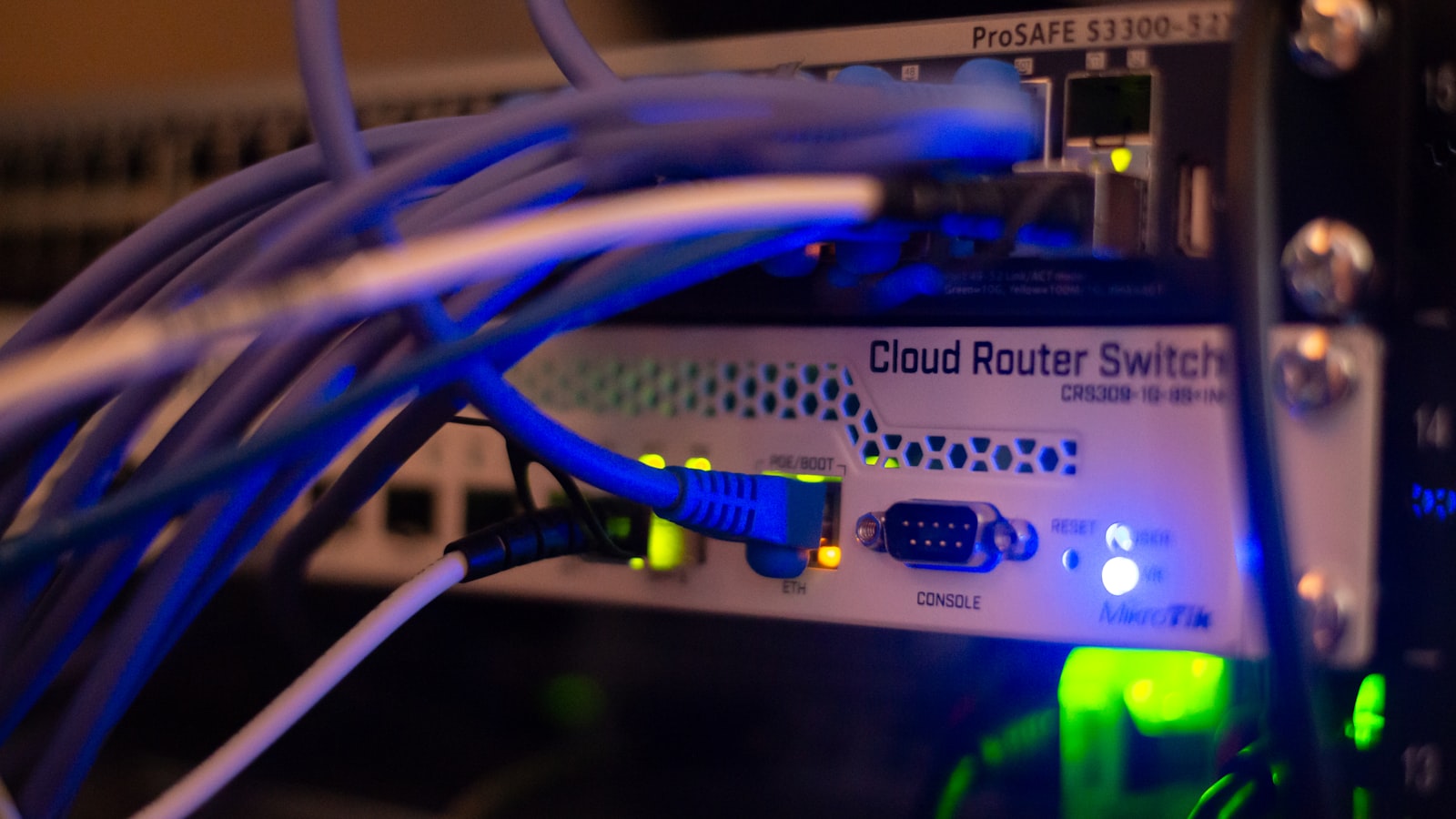
If you run PPPoE or hotspot billing through a RADIUS platform like DMA RADIUS Manager, chances are the router actually enforcing sessions at the customer edge is a MikroTik — RouterOS has first-class PPPoE server, hotspot, and RADIUS client support built in, at a price point consumer router vendors don't compete with. Here's how we'd pick a model depending on how many subscribers you're pushing through it.
Why MikroTik shows up in so many small ISP deployments
- RouterOS has RADIUS built in: PPPoE server, hotspot server, and RADIUS client (auth + accounting, including interim updates) are native features, not a paid add-on or a third-party package.
- Queue trees and simple queues: per-subscriber bandwidth shaping tied to RADIUS-assigned rate limits, which is how a platform like DMA RADIUS Manager enforces the plan a customer actually paid for.
- One license, real throughput: RouterOS licensing is tied to the hardware, not per-subscriber — unlike a lot of BRAS/NAS software that scales cost with your customer count.
- CAPsMAN and bridging: if you're also running MikroTik access points at customer premises, the same ecosystem manages Wi-Fi provisioning without a separate controller product.
Getting started: small hotspot or PPPoE node
The MikroTik hEX (RB750Gr3) is the router we'd point a new or small ISP deployment at — five Gigabit ports, a dual-core 880MHz CPU that handles PPPoE/RADIUS processing without breaking a sweat at this scale, and hardware IPsec offload if you need a secure tunnel back to a management VLAN. It's wired-only (no Wi-Fi radio), which is exactly right for a router that's meant to sit at a distribution point or a customer's demarc, not double as an access point. For a single-site hotspot or a first PPPoE concentrator serving a modest subscriber count, this is more router than the price suggests.
Growing past one node: more subscribers, more throughput
Once you're aggregating enough subscriber sessions that a hEX starts showing CPU load — or you need 2.5G/10G uplinks to a core switch instead of another Gigabit port — we'd move to the MikroTik RB5009UG+S+IN. It steps up to a quad-core ARM64 CPU, seven Gigabit ports plus a 2.5G port and a 10G SFP+ cage for a proper uplink, and enough headroom to run PPPoE/RADIUS accounting for a meaningfully larger subscriber base without the router itself becoming the bottleneck. It's the router we'd specify once "small hotspot" has turned into "an actual local ISP."
RouterOS still has to be configured correctly
Neither box does anything useful for RADIUS billing out of the box — PPPoE profiles, RADIUS server IPs and shared secrets, queue types tied to RADIUS attributes, and interim-accounting intervals all have to be set up to actually match what your billing platform expects, and a mismatch here is the single most common reason a customer's plan doesn't get enforced correctly. If you'd rather have this wired up correctly against your existing DMA RADIUS Manager setup the first time, get in touch and we'll handle the RouterOS side.